
Numbers 9:17-23 (17)And whenever the cloud lifted from over the tent, after that the people of Israel set out, and in the place where the cloud settled down, there the people of Israel camped. (18)At the command of the Lord the people of Israel set out, and at the command of the Lord they camped. As long as the cloud rested over the tabernacle, they remained in camp. (19)Even when the cloud continued over the tabernacle many days, the people of Israel kept the charge of the Lord and did not set out. (20)Sometimes the cloud was a few days over the tabernacle, and according to the command of the Lord they remained in camp; then according to the command of the Lord they set out. (21)And sometimes the cloud remained from evening until morning. And when the cloud lifted in the morning, they set out, or if it continued for a day and a night, when the cloud lifted they set out. (22)Whether it was two days, or a month, or a longer time, that the cloud continued over the tabernacle, abiding there, the people of Israel remained in camp and did not set out, but when it lifted they set out. (23)At the command of the Lord they camped, and at the command of the Lord they set out. They kept the charge of the Lord, at the command of the Lord by Moses.(ESV)
Israel knew where they were going.
The promised land was the destination, and the cloud revealed the direction. Yet knowing the destination didn’t give them permission to move whenever they wanted.
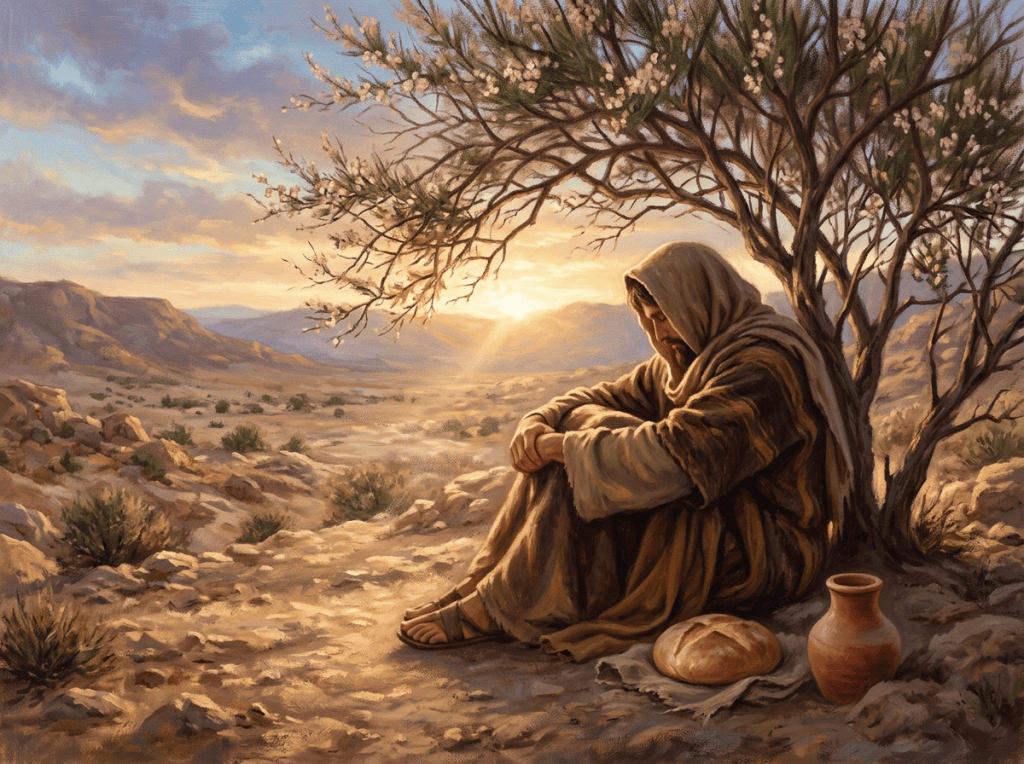
When the cloud remained, they remained. When the cloud lifted, they moved.
Sometimes they stayed for a night. Sometimes they stayed for days, months, or longer. The length of the pause didn’t change the instruction. Movement was only faithful when it happened at the proper time.
That adds another question to every journey: When do we move?
A correct direction taken too early can carry us outside the preparation God intended. The opportunity may be real, but we may not yet be ready to carry its weight.
Waiting too long has its own danger. A pause meant for preparation can become hesitation. Fear can disguise itself as patience long after the cloud has lifted.
Timing requires more than watching the destination.
We must also pay attention to what God’s doing here.
Has the necessary work been completed?
Are we waiting because God hasn’t released us, or because we’re afraid to leave?
Are we moving because the time has come, or because remaining has become uncomfortable?
The Israelites couldn’t force the cloud to rise. They also couldn’t ask it to remain after it began to move.
Their responsibility was readiness.
Waiting wasn’t wasted time when God was still preparing the journey. Movement wasn’t recklessness when God had clearly given the signal.
The next faithful step isn’t always the step we take immediately.
Sometimes faithfulness means preparing to move.
Sometimes it means continuing to wait.
And sometimes it means recognizing that the cloud has already lifted.






Leave a comment