
(Part 2 of 10)
Luke 15:28 But he was angry and refused to go in. His father came out and entreated him,(ESV)
We usually call it the parable of the prodigal son. That makes sense. The younger son is the one who demands his inheritance, leaves home, wastes everything, falls into desperation, comes to his senses, and returns.
His story is dramatic. He gives us the rebellion. He gives us the collapse. He gives us the repentance. He gives us the return. Then his father runs to meet him. The robe comes out. The ring comes out. The shoes come out. The fattened calf is killed. The celebration begins. It feels like the story is over. The lost son has come home.
Except Jesus keeps talking. There’s another son.
The older brother has been working in the field. As he approaches the house, he hears music and dancing. He asks one of the servants what’s happening. “Your brother has come, and your father has killed the fattened calf, because he has received him back safe and sound.”
The younger brother came home. The father received him. The household is celebrating. And the older brother becomes angry. He refuses to go inside.
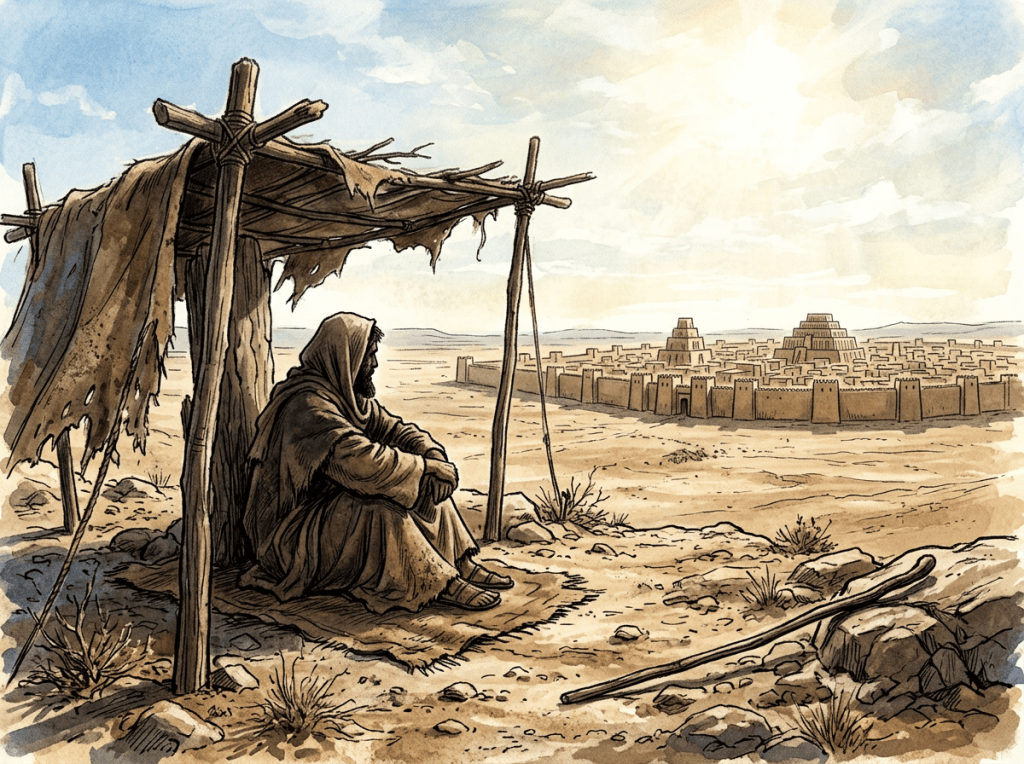
That’s where the story changes. Because now someone else is outside the father’s house.
Earlier, the younger son was far away. Now the younger son is inside. The older son is outside. And once again, the father goes out to meet one of his sons.
That detail is easy to miss. The father ran to meet the younger son while he was still a long way off. Now the father leaves the celebration to plead with the older son.
Both sons have a father who comes looking for them. But the older son is furious. “Look, these many years I have served you, and I never disobeyed your command, yet you never gave me a young goat, that I might celebrate with my friends. But when this son of yours came, who has devoured your property with prostitutes, you killed the fattened calf for him!”
Notice what he calls his brother. Not “my brother.” “This son of yours.” The relationship has fractured so completely that he speaks as though the younger man belongs only to their father.
The father answers him carefully. “Son, you are always with me, and all that is mine is yours.” Then he corrects him. “It was fitting to celebrate and be glad, for this your brother was dead, and is alive; he was lost, and is found.”
Not merely “my son.” “Your brother.” The father restores the relationship even in the language.
This is your brother. He was lost. Now he is found. He was gone. Now he is home. So come inside.
That’s the invitation. And then Jesus stops.
We never hear the older brother’s answer. He doesn’t storm away. He doesn’t apologize. He doesn’t walk into the celebration. He doesn’t embrace his brother. He doesn’t refuse his father.
He simply stands outside while the story ends. That feels unfinished. Because it is.
The younger brother’s decision has been made. He came home.
The father’s decision has been made. He received him.
The older brother’s decision is still hanging in the air. Will he go inside?
The Bible doesn’t tell us. And that matters because Jesus wasn’t telling this story into a vacuum.
Luke tells us why the parables begin. “Now the tax collectors and sinners were all drawing near to hear him. And the Pharisees and the scribes grumbled, saying, ‘This man receives sinners and eats with them.’” Then Jesus tells them about a lost sheep. A lost coin. A lost son. And finally, a brother who is angry because the lost son was received.
The younger brother is easy to identify. He’s the obvious sinner. He ran away. He wasted what he’d been given. He ended up in the mud. He knew he was lost. But the older brother had never left the property. He’d obeyed. He’d worked. He’d stayed. And he was standing outside too.
That may be the more dangerous kind of lostness. The younger brother knew he needed to come home. The older brother believed he’d earned the right to be there.
Listen to his language. “These many years I have served you.” “I never disobeyed your command.” “You never gave me…”
His relationship with the father had become a ledger. Look at what I’ve done. Look at what I’ve earned. Now look at what you gave him.
Grace becomes offensive when we believe we deserve more of it than someone else. That’s why the celebration bothers him.
The younger brother’s restoration doesn’t actually take anything away from the older brother. The father reminds him: “All that is mine is yours.”
The older son hasn’t lost his inheritance. He hasn’t been displaced. He hasn’t been rejected. His father’s love for the younger son hasn’t diminished the father’s love for him. And yet he can’t celebrate. Because sometimes the problem isn’t that God withheld something from us. Sometimes the problem is that God gave something to someone else.
Mercy. Restoration. Another chance. A place at the table. That can expose things inside us that hardship never could.
It’s possible to spend years close to the Father’s house and still misunderstand the Father’s heart. It’s possible to obey while becoming resentful. It’s possible to serve while quietly keeping score. It’s possible to do everything expected of us and still become angry when grace reaches someone we believe should’ve suffered longer.
The younger brother thought he was no longer worthy to be called a son. The older brother thought his obedience made him more worthy to be treated like one. Both misunderstood the father.
The father didn’t receive the younger son because the younger son had earned restoration. And he didn’t love the older son because the older son had accumulated enough years of service. He loved them because they were his sons.
That doesn’t erase the younger son’s rebellion. The story never pretends that what he did was harmless. He sinned. He wasted. He broke trust. He suffered consequences. But repentance brought him home. And apparently that was enough for the father to rejoice.
The older brother has to decide whether it’s enough for him.
We never get his answer. Maybe he eventually went inside. Maybe he stood there until the music stopped. Maybe he reconciled with his brother. Maybe bitterness hardened around him. We don’t know.
Jesus doesn’t give us permission to write the missing verse. But perhaps He doesn’t need to. Because the people listening to Him were already standing in the older brother’s place.
Tax collectors and sinners were coming near to Jesus. The religious leaders were grumbling because He received them. The celebration had begun. The Father was welcoming the lost. And the people who believed they’d remained faithful were deciding whether they could rejoice about it.
The unfinished ending puts the decision in their hands. And ours.
Can we celebrate when God restores someone whose failures were public?
Can we rejoice when someone receives mercy after making choices we avoided?
Can we welcome someone home without demanding that they spend a little longer outside proving they deserve to come in?
Can we accept that another person’s grace doesn’t diminish ours?
The father has already spoken. “Your brother was dead, and is alive; he was lost, and is found.” The door is open. The music is playing. The celebration is already happening. The father is standing outside, asking his son to come in. And then the story ends.
We never find out what the older brother decided. Maybe that’s because the question was never meant to remain his alone. Will you go inside?





Leave a Reply