-

We admire the mercy of Jesus when He prays for those opposing Him. The challenge comes when He tells us to show that same mercy. Loving enemies doesn’t mean ignoring truth, wisdom, or justice. It means refusing to let hatred become the answer when Christ has called us to something…
4–6 minutesContinue reading →: The Places We Pause Part 5: The Command We Admire -
God is merciful, gracious, and forgiving, but He never treats guilt as meaningless. Scripture holds mercy and justice together without weakening either. The cross shows us that grace is not God ignoring sin. It is God confronting sin fully while still making forgiveness, restoration, and reconciliation possible.
4–7 minutesContinue reading →: The Places We Pause Part 4: Pause Without Denial -

In John 21, Peter encounters Jesus again after denying Him by a charcoal fire. Jesus invites Peter to breakfast, symbolizing restoration. Peter, now humbled, expresses his love for Jesus three times, paralleling his earlier failure. Jesus acknowledges his past but reinforces Peter’s future role as a leader among the disciples,…
5–7 minutesContinue reading →: By the Charcoal Fire Part Two: Come and Have Breakfast -
Peter was certain he knew his own strength, but one difficult night exposed how little he understood himself. Beside a charcoal fire, confidence gave way to failure. Yet Jesus had already seen beyond that moment. Peter could only see the night; Christ already knew what would come after it.
4–6 minutesContinue reading →: By the Charcoal Fire Part One: Standing With Them -
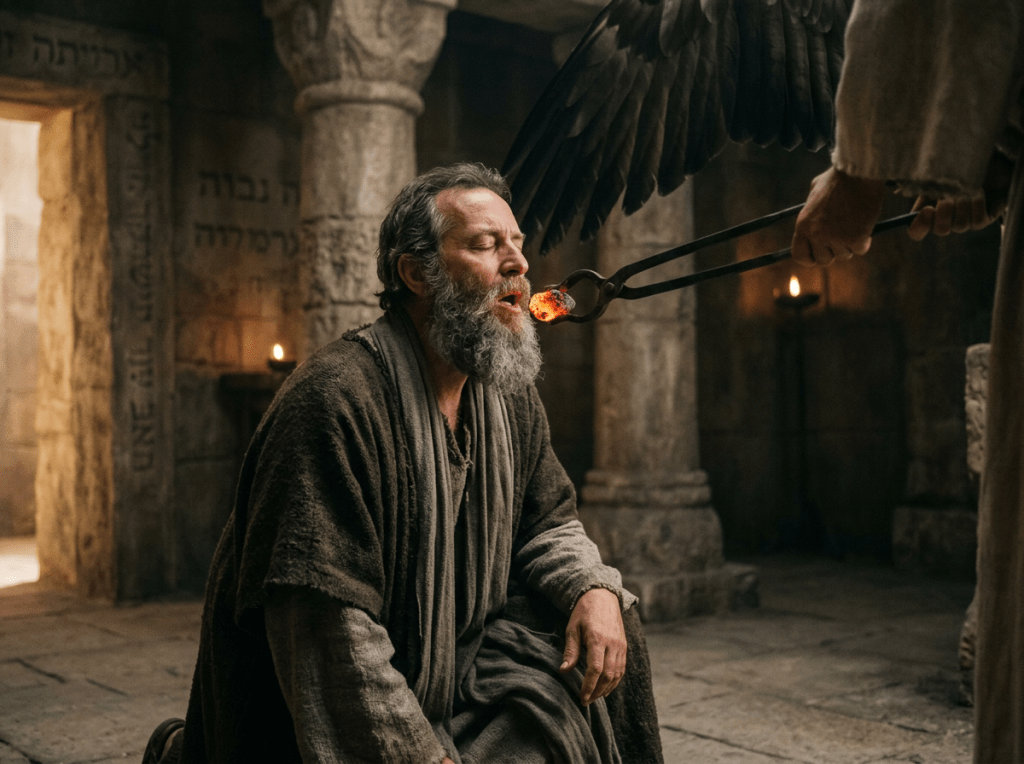
Isaiah’s vision of God’s holiness highlights the weight of our words. He acknowledges his “unclean lips,” emphasizing that careless speech matters, as taught by Jesus. Our words, whether intentional or not, reveal the heart and carry consequences. We must be mindful of our speech, recognizing its impact before God.
4–6 minutesContinue reading →: The Places We Pause Part 3: The Weight of Our Words -

In Job 38, God shifts the conversation from Job’s questions about suffering to His own inquiries about creation, emphasizing the vastness of divine knowledge. Romans 14:12 reminds us that each person will ultimately stand before God to account for their own actions, urging self-reflection rather than focusing on others’ faults.
4–6 minutesContinue reading →: The Places We Pause Part 2: When the Questions Turn Around -

Some passages make us pause because their weight is impossible to miss. Others have become so familiar that we no longer feel what they are asking of us. Abraham’s surrender feels enormous. Jesus’ command to deny ourselves should too. Sometimes the problem is not understanding Scripture, but reading past it.
3–4 minutesContinue reading →: The Places We Pause Part 1: The Cost We See -
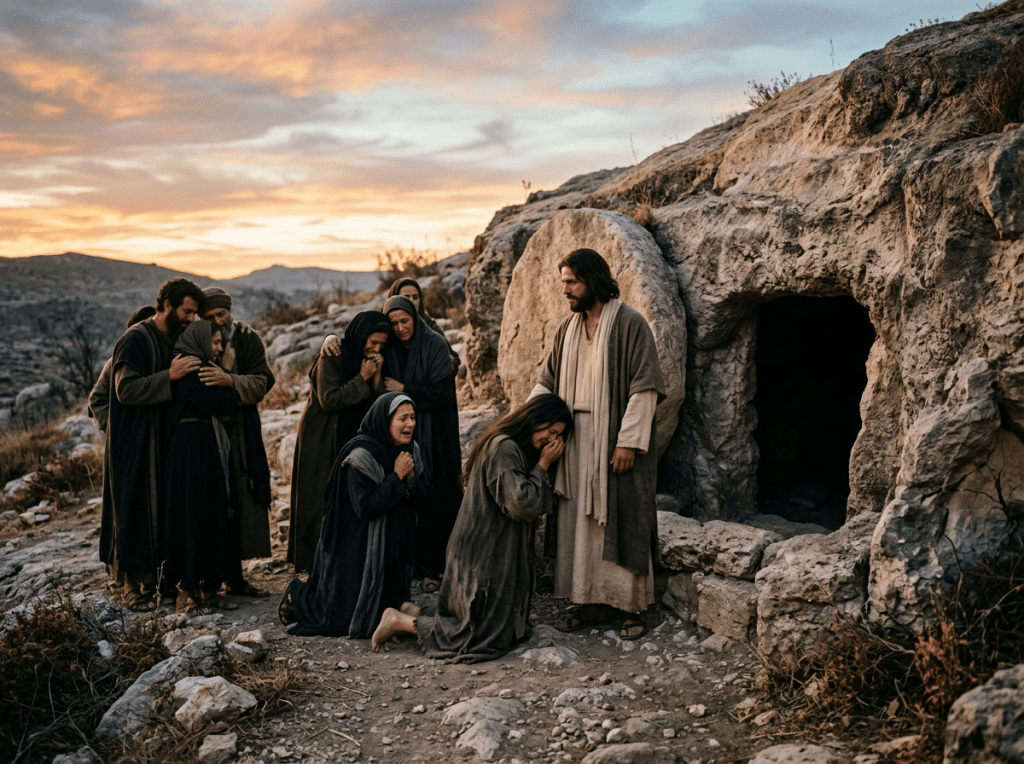
The passage reflects on the profound meaning of the two words “Jesus wept” from John 11:35, illustrating Jesus’ deep empathy amidst grief. Despite knowing Lazarus would rise, Jesus acknowledges the sorrow of loss, revealing that love encompasses both grief and hope. This moment emphasizes that God understands human suffering and…
5–7 minutesContinue reading →: The Pause -

Responsibility and authority belong together. We’re accountable for what God has actually placed in our hands, not for every decision others make around us. Learning where our authority ends, where our responsibility begins, and how stewardship connects the two can free us from burdens we were never meant to carry.
4–6 minutesContinue reading →: What Is Actually Yours to Carry? -

The content emphasizes the importance of placing individuals in appropriate roles within our lives, akin to selecting the right materials for building a house. Not all relationships serve the same purpose, and misplacing someone’s influence can lead to challenges. The focus is on understanding what each person can handle and…
6–9 minutesContinue reading →: Not Everything Should Carry Weight
1 Corinthians (115) 1 Corinthians 13 (24) 1 John (39) 1 John 4 (21) 1 Kings (29) 1 Peter (38) 1 Samuel (41) 2 Corinthians (100) 2 Corinthians 5 (27) 2 Timothy (40) Acts (81) Colossians (50) Colossians 3 (20) Deuteronomy (49) Ecclesiastes (52) Ecclesiastes 3 (21) Ephesians (89) Ephesians 2 (25) Ephesians 4 (21) Ephesians 5 (22) Ephesians 6 (22) Exodus (73) Ezekiel (32) Faith (21) Galatians (79) Galatians 5 (30) Galatians 6 (26) Genesis (187) Genesis 1 (29) Genesis 2 (58) Genesis 3 (74) Hebrews (127) Hebrews 4 (27) Hebrews 11 (23) Hebrews 12 (25) Isaiah (138) James (110) James 1 (60) James 4 (33) Jeremiah (55) John (221) John 1 (20) John 8 (24) John 14 (33) John 15 (29) Joshua (20) Luke (169) Mark (64) Matthew (275) Matthew 5 (24) Matthew 6 (35) Matthew 7 (46) Matthew 26 (21) Numbers (25) Philippians (82) Philippians 2 (26) Philippians 4 (33) Proverbs (122) Psalm (185) Psalm 23 (25) Psalm 139 (20) Revelation (72) Romans (185) Romans 5 (33) Romans 8 (53) Romans 12 (40)