-
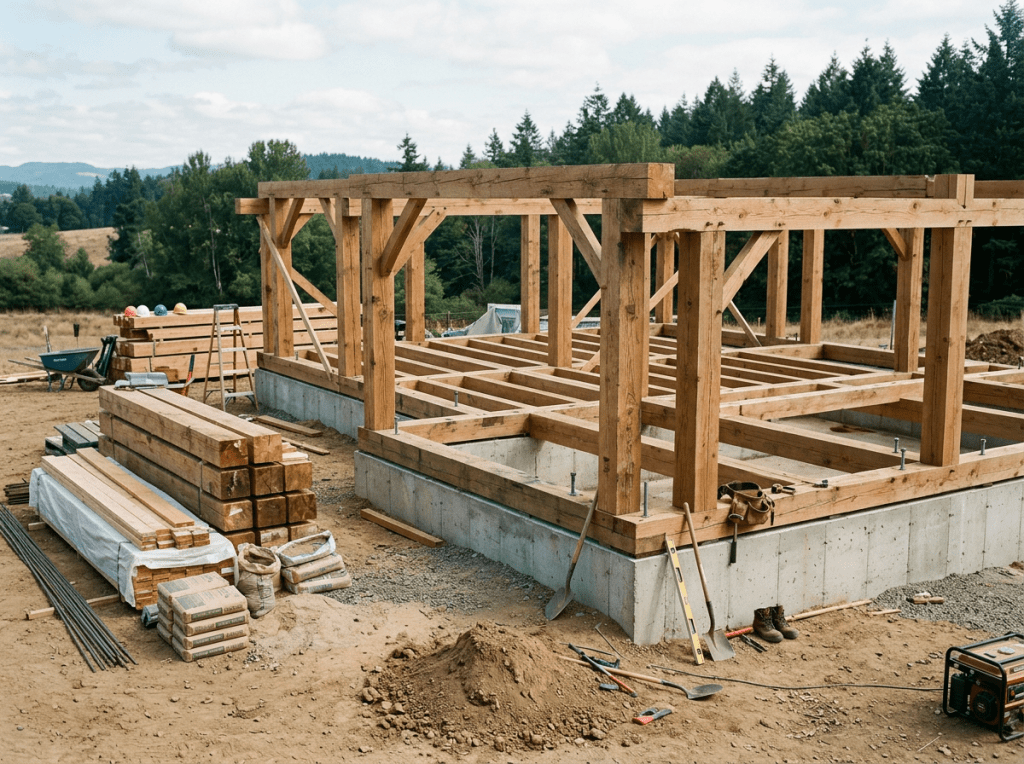
The post emphasizes the importance of evaluating relationships not just based on whether individuals are good or bad, but on how they influence our lives and decisions. It encourages reflection on the qualities of those we spend time with, as they shape our values and behaviors, ultimately impacting our personal…
4–7 minutesContinue reading →: The Materials You Build With -
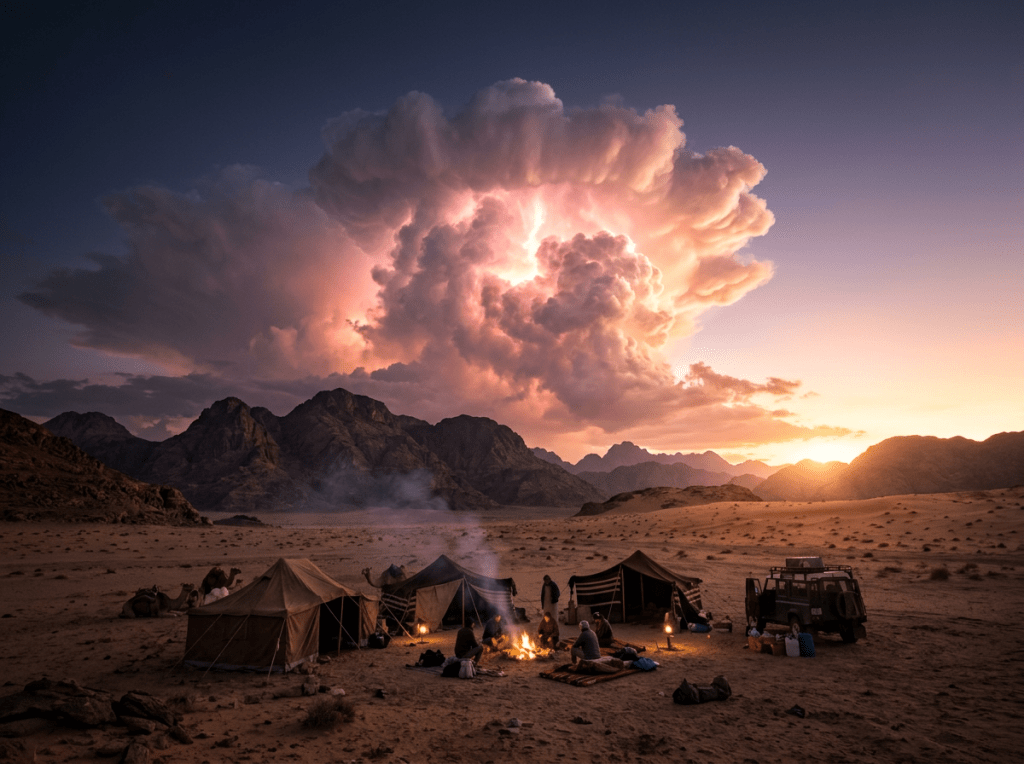
The passage recounts how the Israelites followed God’s guidance through a cloud over the tabernacle during their journey. They camped or moved only at the cloud’s command, illustrating the importance of divine timing. Proper movement requires readiness and discernment, balancing action with patience as directed by God.
2–3 minutesContinue reading →: When Do We Move? -

The content emphasizes the importance of acknowledging our current circumstances and embracing the unknowns of our journey. It highlights that while we may lack complete understanding of our path, we can still take faithful steps forward. Trusting God’s guidance and being honest about our situation allows for growth and direction.
1–2 minutesContinue reading →: Where Do We Go From Here? -

Saul’s transformative encounter on the road to Damascus taught him that faith requires obedience rather than complete understanding. While we often seek clarity and certainty about our paths, the next faithful step may be simple actions, such as communication or making amends. True faith aligns with what God has already…
1–2 minutesContinue reading →: What Is the Next Faithful Thing? -

In Jonah 1:1-3, Jonah is commanded by God to go to Nineveh, but he chooses to flee to Tarshish instead. His journey highlights the distinction between physical movement and spiritual direction. The text emphasizes that a clear destination can lead us away from God’s will, reminding us to evaluate our…
2–3 minutesContinue reading →: Where Are You Going? -

Hagar’s flight from Sarai symbolizes a deeper journey of understanding one’s past and its impact on the present. Reflecting on our experiences reveals patterns, pain, and lessons learned, guiding our future direction. While we cannot change our history, we can learn from it to avoid being trapped by it and…
1–2 minutesContinue reading →: Where Have You Come From? -

God questioned Elijah about his presence, and Elijah expressed his frustrations. Instead of debating, God assigned him new tasks, emphasizing that while Elijah felt abandoned, His work continued beyond what Elijah could see. Faithfulness may involve preparing others and taking action when directed, illustrating the importance of moving forward after…
2–3 minutesContinue reading →: What’s Next? -

Elijah retreated into the wilderness, driven by fear and exhaustion rather than idleness. God allowed him to rest, emphasizing that pauses aren’t always laziness. However, it’s crucial to discern between genuine recovery and avoidance. While some stops are necessary, remaining in comfort must not replace the call to action or…
3–5 minutesContinue reading →: Why Are We Still Here? -

In 1 Kings 19:9, God questions Elijah about his presence in a cave, prompting deeper reflection on his circumstances. Elijah felt isolated and fearful, which clouded his view of reality. This verse encourages individuals to assess their situations, distinguishing between necessary rest and the potential stagnation of hiding from challenges.
1–2 minutesContinue reading →: What Are You Doing Here? -

In Genesis 3:9, God’s question to Adam transcends geography, probing his emotional and spiritual state post-fall. Adam’s attempt to hide symbolizes shame and fear. Recognizing our true condition involves honesty about our feelings, relationships, and circumstances. Genuine self-examination is essential before determining our next steps.
1–2 minutesContinue reading →: Where Are You?
1 Corinthians (115) 1 Corinthians 13 (24) 1 John (39) 1 John 4 (21) 1 Kings (29) 1 Peter (38) 1 Samuel (41) 2 Corinthians (100) 2 Corinthians 5 (27) 2 Timothy (40) Acts (81) Colossians (50) Colossians 3 (20) Deuteronomy (49) Ecclesiastes (52) Ecclesiastes 3 (21) Ephesians (89) Ephesians 2 (25) Ephesians 4 (21) Ephesians 5 (22) Ephesians 6 (22) Exodus (73) Ezekiel (32) Faith (21) Galatians (79) Galatians 5 (30) Galatians 6 (26) Genesis (187) Genesis 1 (29) Genesis 2 (58) Genesis 3 (74) Hebrews (127) Hebrews 4 (27) Hebrews 11 (23) Hebrews 12 (25) Isaiah (138) James (110) James 1 (60) James 4 (33) Jeremiah (55) John (221) John 1 (20) John 8 (24) John 14 (33) John 15 (29) Joshua (20) Luke (169) Mark (64) Matthew (275) Matthew 5 (24) Matthew 6 (35) Matthew 7 (46) Matthew 26 (21) Numbers (25) Philippians (82) Philippians 2 (26) Philippians 4 (33) Proverbs (122) Psalm (185) Psalm 23 (25) Psalm 139 (20) Revelation (72) Romans (185) Romans 5 (33) Romans 8 (53) Romans 12 (40)