-

The post emphasizes the importance of rest, highlighting how ignoring the need for downtime can lead to emotional and spiritual depletion. It recounts a dream symbolizing the necessity of choosing rest proactively to avoid forced breaks in undesirable circumstances. Ultimately, it advocates for recognizing the sacredness of personal well-being and…
2–3 minutesContinue reading →: Safe Harbors, Part 1: When the Warning Light Blinks -
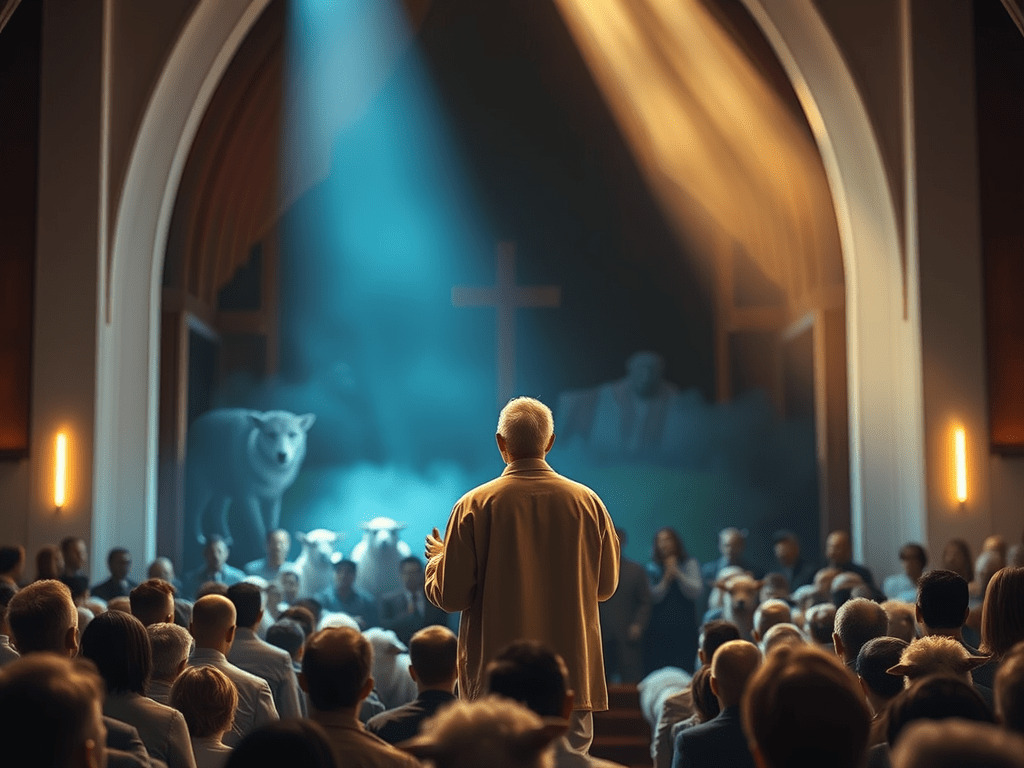
The post warns against false teachers, likening them to wolves in sheep’s clothing. These deceptive figures thrive on manipulation, appearing credible and trustworthy while leading many astray. The importance of discernment, accountability, and evaluating leaders based on their fruits rather than popularity is emphasized, challenging believers to seek genuine truth…
3–4 minutesContinue reading →: Eve in the Garden, Part 5: Wolves in Wool -
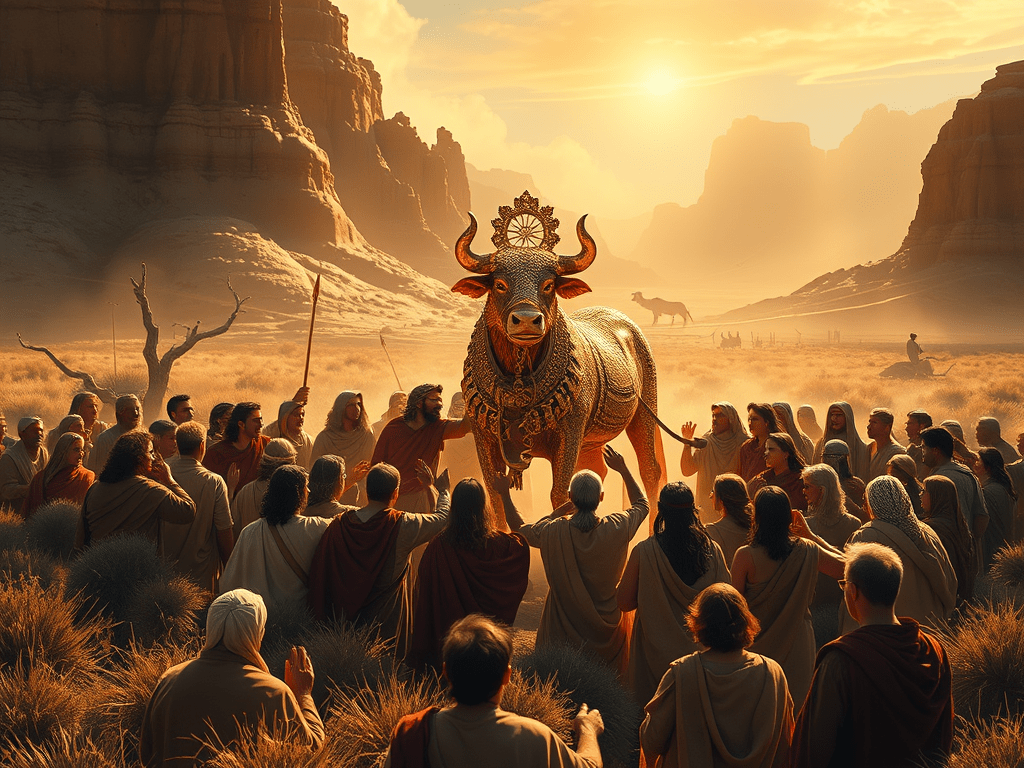
The content discusses the dangers of redefining worship to fit personal desires, as illustrated by Israel’s creation of a golden calf. It emphasizes that true worship should center on God’s character rather than emotional satisfaction or trends. The post challenges readers to examine their worship practices and avoid idolatry that…
3–5 minutesContinue reading →: Eve in the Garden, Part 4: Golden Calves in the Wilderness -

The content discusses the danger of false prophets who deliver comforting messages that lack truth and call for repentance. It emphasizes the importance of recognizing true spiritual fruit, which involves alignment with God’s truth rather than mere emotional hype. Discernment is crucial in identifying voices that genuinely promote spiritual growth.
3–4 minutesContinue reading →: Eve in the Garden, Part 3: The Flattering Prophet -

The post discusses how modern church practices can distort the gospel, resembling the Galatian mistake of adding obligations to faith in Christ. It warns against the pitfalls of performance-based spirituality, emphasizing that true freedom comes from reliance on grace rather than human effort. The author urges believers to recognize and…
3–5 minutesContinue reading →: Eve in the Garden, Part 2: The Gospel + Something -

This content explores the themes of deception and the subtle shifts away from absolute truth within the church. It highlights how familiar voices and charismatic messages can introduce doubt, prompting believers to stray from God’s Word. Ultimately, it calls for awareness of these tactics and encourages discernment in faith practices.
3–5 minutesContinue reading →: Eve in the Garden, Part 1: The Beginning of Deception -

The discussion emphasizes the profound meaning of peace as represented by the olive branch, bread, and wine. It portrays true peace as a result of surrender and transformation through Christ. While the Mount of Olives signifies judgment, the valley reflects the struggle between life and death. Ultimately, believers are called…
4–7 minutesContinue reading →: In the Valley of the Shadow, Part Two: The Fire and the Fermentation -

The Kidron Valley, located between Jerusalem and the Mount of Olives, embodies a significant history marked by encounters between kings. Notable figures like Abram, David, and Jesus traversed this valley, symbolizing the choices between peace and betrayal. The narrative highlights the importance of communion through bread and wine amidst life’s…
3–5 minutesContinue reading →: In the Valley of the Shadow, Part One: The Table Between Two Kings -
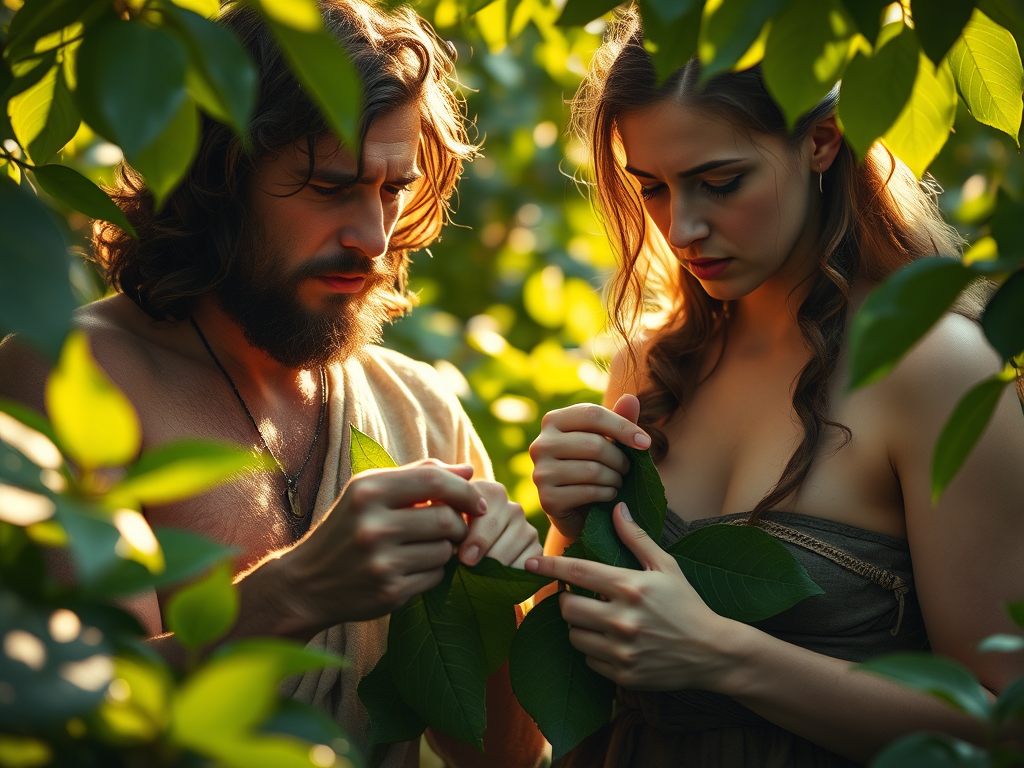
The narrative explores the symbolism of the fig leaf in Genesis, representing humanity’s initial attempts at self-righteousness following sin. God replaces this with garments of skins, signifying true sacrifice. The fig tree later symbolizes Israel’s failures. Ultimately, these symbols transition from shame to redemption, culminating in Christ’s sacrifice on the…
5–7 minutesContinue reading →: The First Sacrament of Self-Righteousness -

Jacob’s limp symbolizes his divine encounter with God, marking his identity shift from deceiver to Israel. Scars represent healing and redemption rather than shame. Embracing our limps reveals our struggles and strength, allowing us to connect authentically with others. They remind us of our journey with God and ongoing transformation.
2–3 minutesContinue reading →: Sacred Thresholds, Part 4: The Beauty of the Limp
1 Corinthians (116) 1 Corinthians 13 (24) 1 John (39) 1 John 4 (21) 1 Kings (29) 1 Peter (38) 1 Samuel (41) 2 Corinthians (100) 2 Corinthians 5 (27) 2 Timothy (41) Acts (82) Colossians (50) Colossians 3 (20) Deuteronomy (49) Ecclesiastes (52) Ecclesiastes 3 (21) Ephesians (89) Ephesians 2 (25) Ephesians 4 (21) Ephesians 5 (22) Ephesians 6 (22) Exodus (73) Ezekiel (32) Faith (21) Galatians (79) Galatians 5 (30) Galatians 6 (26) Genesis (187) Genesis 1 (29) Genesis 2 (58) Genesis 3 (74) Hebrews (127) Hebrews 4 (27) Hebrews 11 (23) Hebrews 12 (25) Isaiah (138) James (111) James 1 (61) James 4 (33) Jeremiah (55) John (221) John 1 (20) John 8 (24) John 14 (33) John 15 (29) Joshua (20) Luke (170) Mark (64) Matthew (276) Matthew 5 (24) Matthew 6 (35) Matthew 7 (46) Matthew 26 (21) Numbers (25) Philippians (82) Philippians 2 (26) Philippians 4 (33) Proverbs (123) Psalm (185) Psalm 23 (25) Psalm 139 (20) Revelation (72) Romans (185) Romans 5 (33) Romans 8 (53) Romans 12 (40)