-

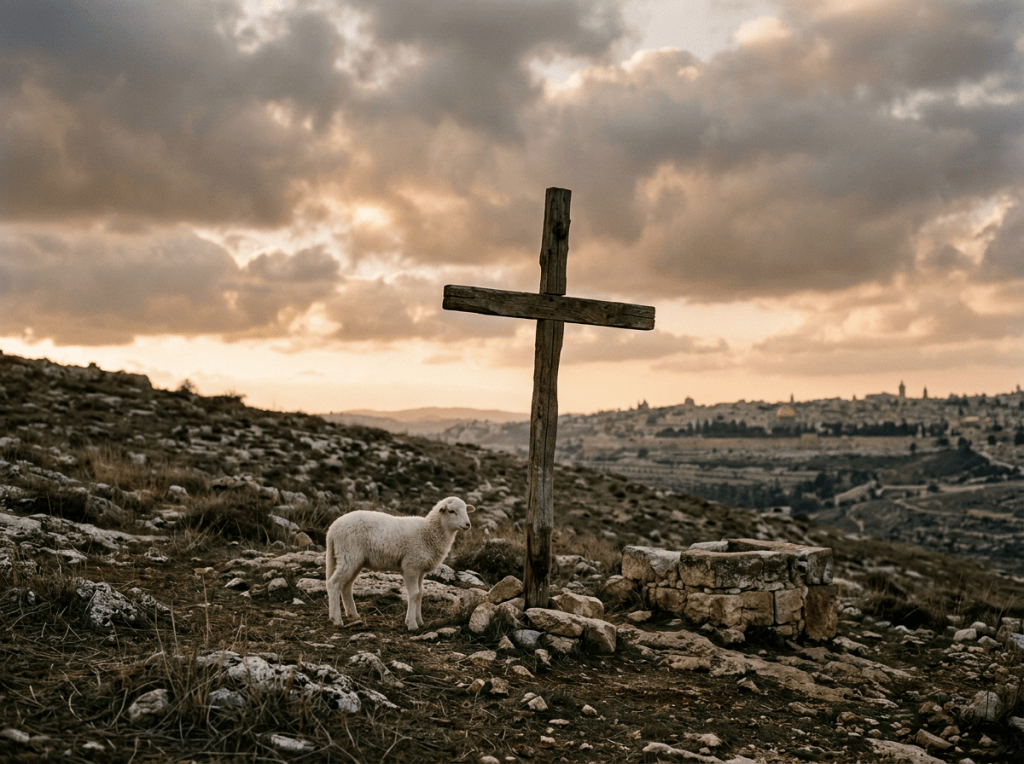
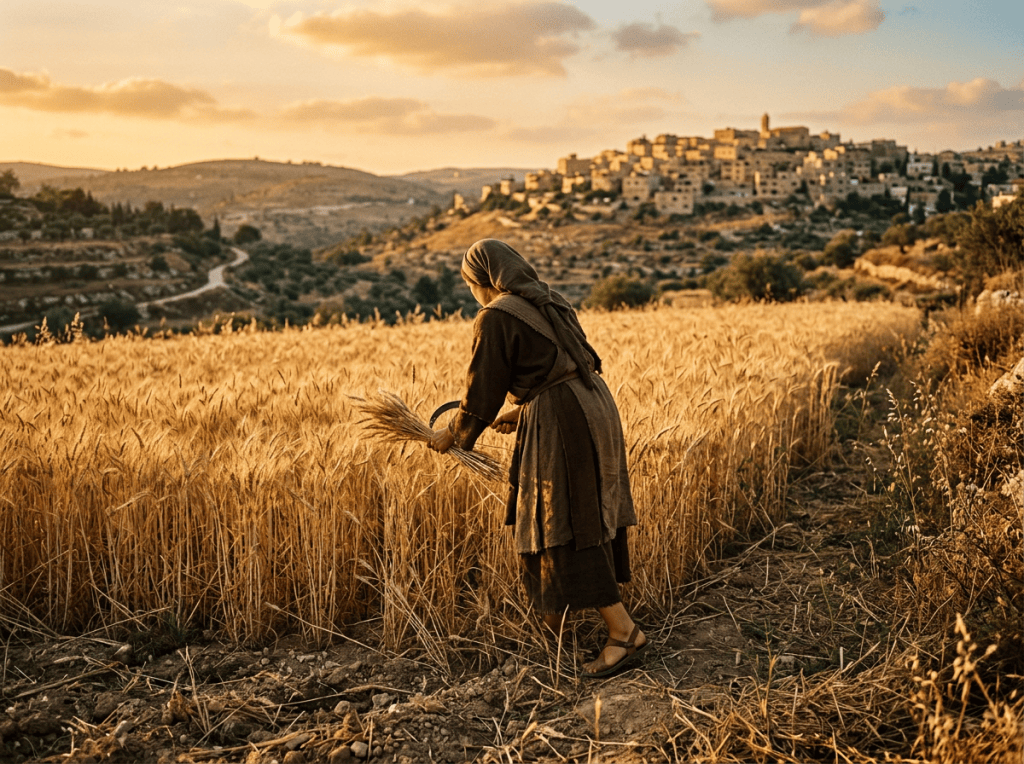
In this reflection on Matthew 6:26, the author emphasizes Jesus’ teaching method of using common elements like birds and flowers to convey profound lessons. By urging listeners to observe their surroundings, Jesus encouraged a shift in perspective, revealing overlooked insights and reminding us that valuable lessons often lie in plain…
1–2 minutesContinue reading →: The Way Jesus Taught Part 3: He Pointed at Things -
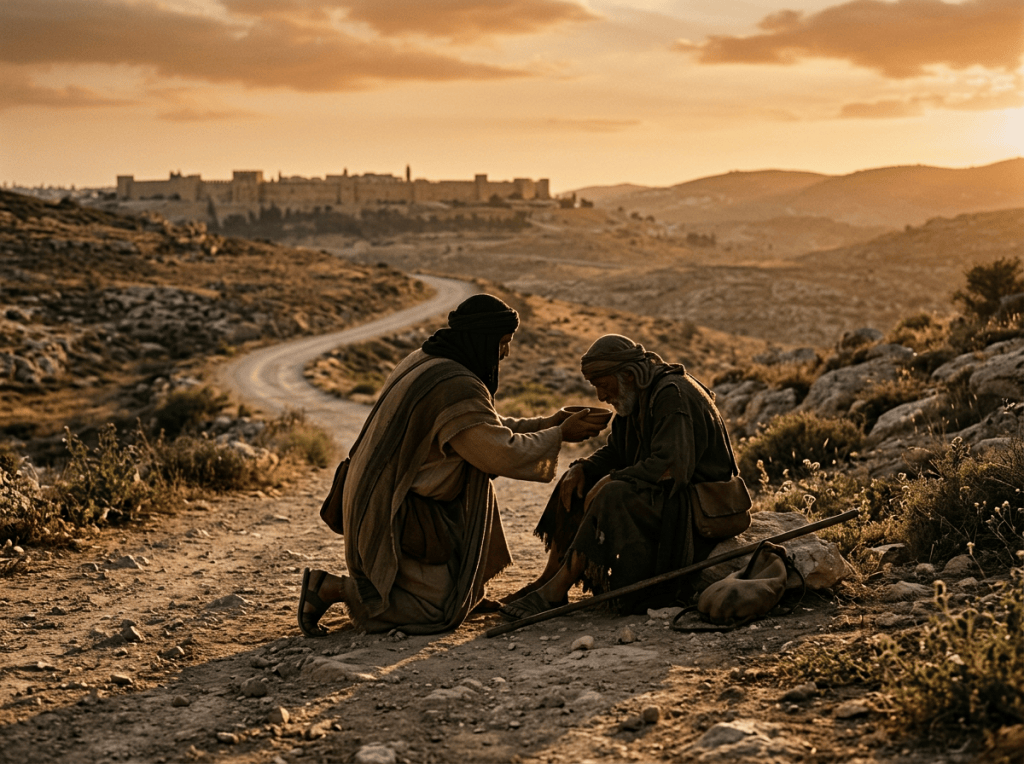
In this passage, Jesus tells the parable of the Good Samaritan to illustrate who a true neighbor is. Unlike the priest and Levite who ignored a wounded man, the Samaritan showed compassion. Through storytelling, Jesus conveyed deeper truths about love and mercy, urging listeners to embody these values in their…
1–2 minutesContinue reading →: The Way Jesus Taught Part 2: He Told Stories -
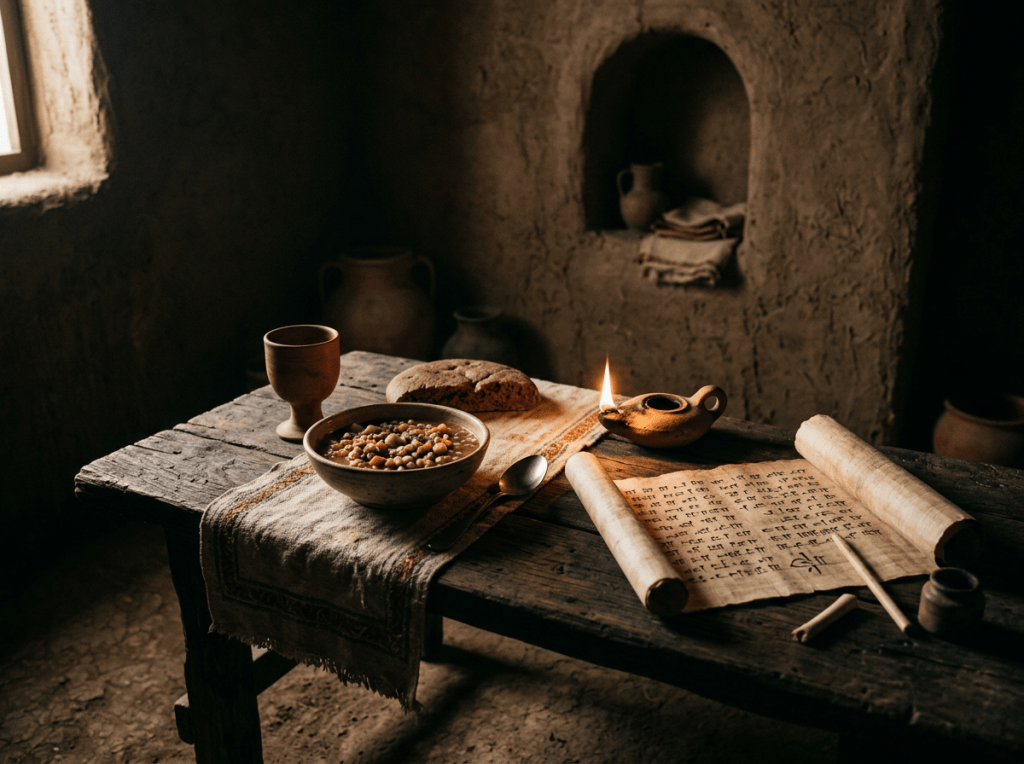
Daniel navigated captivity in Babylon by maintaining his identity and faith. He adapted to his environment without compromising his values, establishing boundaries before facing temptation. Daniel learned the importance of community and resolve, ensuring that while he served in Babylon, he remained loyal to God and preserved his true self…
5–7 minutesContinue reading →: Identity in Captivity Part 2: Living in Babylon -

In Matthew 16:15, Jesus challenges his disciples by asking them who they believe He is, rather than providing an answer himself. This approach encourages personal reflection and deeper understanding of faith. By asking questions, Jesus prompts believers to confront their own beliefs and experiences, fostering a more meaningful engagement with…
1–2 minutesContinue reading →: The Way Jesus Taught Part 1: He Asked Questions -
The teaching responsibility in Christianity carries significant weight, as noted in James 3:1, highlighting the strict judgment awaiting teachers. James 4:17 stresses that failing to do the good one knows is also sinful, while 1 John 4:20 demands that love for God must manifest in love for others. The final…
7–11 minutesContinue reading →: The Places We Pass Part 8: No More Loopholes -

In John 13:34-35, Jesus emphasizes that love for one another is the distinguishing trait of His disciples, rather than theological correctness or outward signs of faith. This love should be sacrificial and unconditional, reflecting how Jesus loved us. The world recognizes Christians through their genuine love, not merely their beliefs…
5–8 minutesContinue reading →: The Places We Pass Part 7: The Evidence We Prefer -

In John 6:66, many disciples turned away from Jesus after struggling with His challenging teachings. Unlike enemies, these followers faced discomfort that revealed their limits. Jesus chose truth over retaining followers, emphasizing that genuine discipleship sometimes requires painful acceptance. This passage prompts reflection on personal boundaries in faith and obedience.
6–9 minutesContinue reading →: The Places We Pass Part 6: When Jesus Lets Them Leave -

The disciples, overwhelmed by fear during a storm, questioned Jesus’ concern for them, despite His physical presence in the boat. Fear distorted their perception of God’s character, falsely linking hardship with abandonment. The passage emphasizes that unchecked fear misinterprets circumstances, distorting trust in God and His intentions.
2–3 minutesContinue reading →: When Fear Prophesies Part 3: Do You Not Care? -

Fear can do more than predict a bad future. It can convince us to refuse the very thing God intended to give us. Israel stood at the edge of the promise, saw danger, and chose retreat. What they feared wasn’t what cost them the promise. Their unbelief did.
2–3 minutesContinue reading →: When Fear Prophesies Part 2: As You Have Spoken -
Fear often takes what God actually said, adds what circumstances seem to suggest, and then declares the imagined ending as certain. Cain did exactly that. God gave him a consequence, but Cain added a future God never spoke. Sometimes fear finishes God’s sentence for Him.
2–3 minutesContinue reading →: When Fear Prophesies Part 1: Not So
1 Corinthians (115) 1 Corinthians 13 (24) 1 John (39) 1 John 4 (21) 1 Kings (29) 1 Peter (38) 1 Samuel (41) 2 Corinthians (100) 2 Corinthians 5 (27) 2 Timothy (40) Acts (81) Colossians (50) Colossians 3 (20) Deuteronomy (49) Ecclesiastes (52) Ecclesiastes 3 (21) Ephesians (89) Ephesians 2 (25) Ephesians 4 (21) Ephesians 5 (22) Ephesians 6 (22) Exodus (73) Ezekiel (32) Faith (21) Galatians (79) Galatians 5 (30) Galatians 6 (26) Genesis (187) Genesis 1 (29) Genesis 2 (58) Genesis 3 (74) Hebrews (127) Hebrews 4 (27) Hebrews 11 (23) Hebrews 12 (25) Isaiah (138) James (110) James 1 (60) James 4 (33) Jeremiah (55) John (221) John 1 (20) John 8 (24) John 14 (33) John 15 (29) Joshua (20) Luke (169) Mark (64) Matthew (275) Matthew 5 (24) Matthew 6 (35) Matthew 7 (46) Matthew 26 (21) Numbers (25) Philippians (82) Philippians 2 (26) Philippians 4 (33) Proverbs (122) Psalm (185) Psalm 23 (25) Psalm 139 (20) Revelation (72) Romans (185) Romans 5 (33) Romans 8 (53) Romans 12 (40)