-
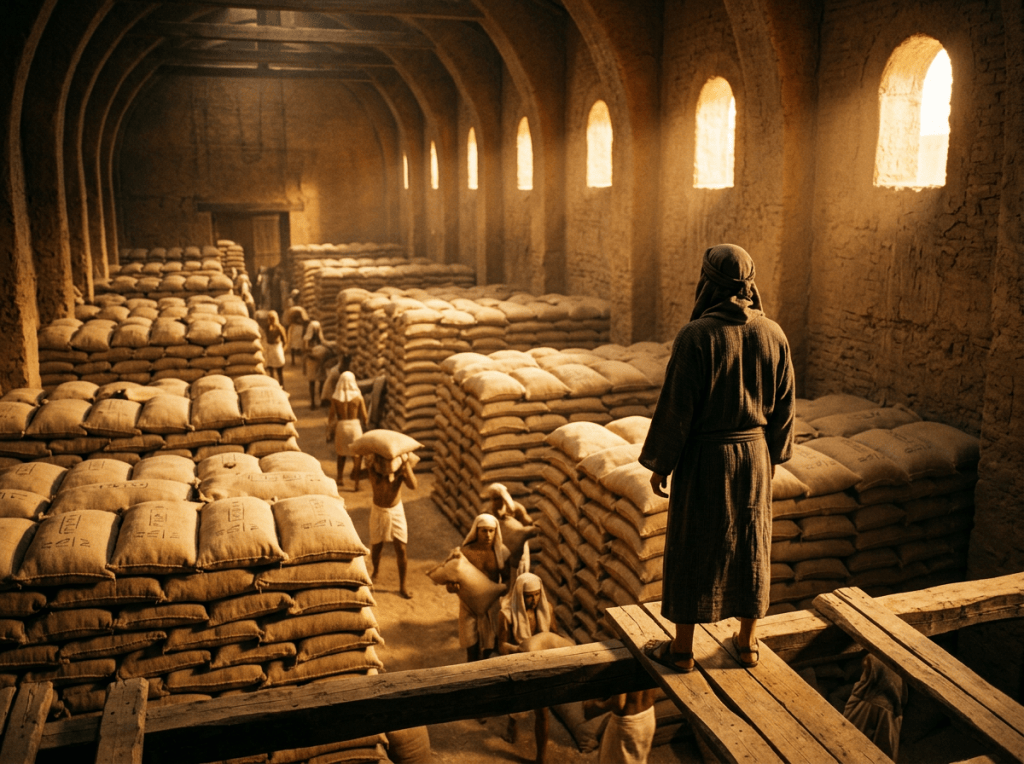
Joseph couldn’t see the famine coming. Neither could his family or Egypt. Yet long before anyone knew they would need an answer, God was already preparing one. What looked like delay and uncertainty was part of a much larger story whose purpose could only be understood by looking backward.
8–12 minutesContinue reading →: The Beginning of the Story Part 4: Before the Famine -

The post reflects on the journey of restoration after loss, emphasizing that divine grace is found in weakness rather than the mere return to the past. It encourages embracing the new realities and lessons learned from pain, understanding that true strength may arise from vulnerability, and recognizing that God can…
3–5 minutesContinue reading →: What Remains -

The passage reflects on the challenges and burdens in life, drawing from Paul’s experiences in 2 Corinthians. It emphasizes that sometimes life collapses, revealing our limitations. The crucial lesson is that faith is acknowledging our weakness and relying on God, who brings hope and restoration, even when circumstances seem insurmountable.
4–6 minutesContinue reading →: When Everything Falls Apart -

Joseph couldn’t see the famine coming. Neither could his family or Egypt. Yet long before anyone knew they would need an answer, God was already preparing one. What looked like delay and uncertainty was part of a much larger story whose purpose could only be understood by looking backward.
8–12 minutesContinue reading →: The Beginning of the Story Part 3: Before the Deliverer -

Everyone remembers David standing before Goliath. But the battlefield wasn’t where his story began. Before the giant, there were sheep, a lion, a bear, and countless ordinary days when nobody was watching. Sometimes the moment everyone notices is only revealing what God has already been building in private.
7–11 minutesContinue reading →: The Beginning of the Story Part 2: Before Goliath -

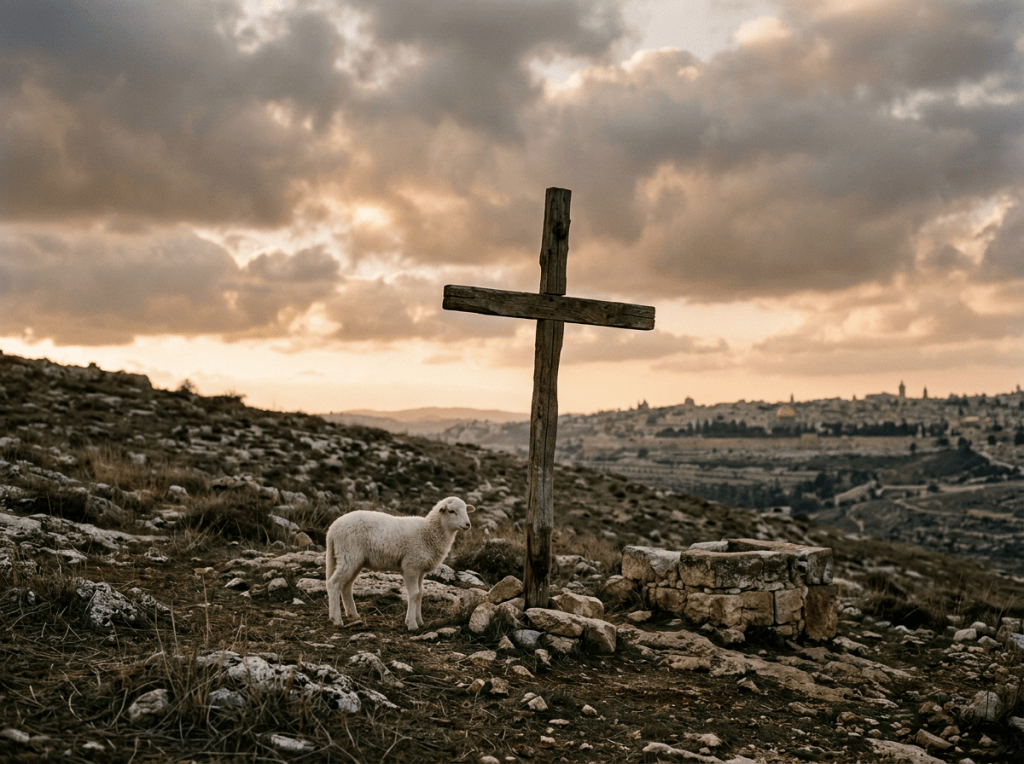
The content reflects on how narratives often begin in moments of action, like a chef igniting a stove, while significant preparatory events remain unseen. Similarly, biblical figures like David and Moses had extensive backgrounds that predate their notable moments. The piece emphasizes that, though we see the culmination of events,…
5–7 minutesContinue reading →: The Beginning of the Story Part 1: In the Beginning -

The content emphasizes the importance of communication in relationships, urging individuals to observe loved ones’ behaviors without jumping to conclusions. Encouraging questions and active listening, it highlights that understanding someone’s silence or withdrawal requires curiosity and compassion, as these actions may reveal deeper emotional issues or perceptions.
3–4 minutesContinue reading →: The Vacation You Never Took Part 3: Where Did You Go? -
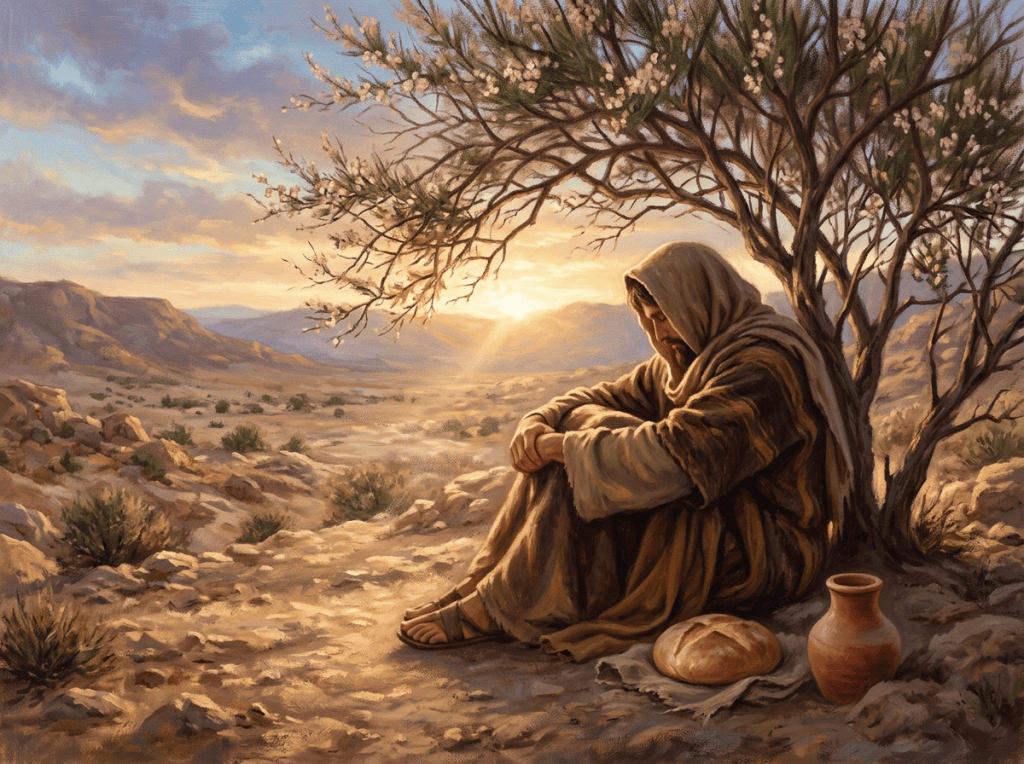
The passage reflects on the importance of recognizing when we check out mentally or emotionally in various aspects of life. It connects this behavior to exhaustion and suggests examining the circumstances causing disengagement. By identifying patterns rather than isolated moments, individuals can address underlying issues, ensuring they respond wisely to…
3–4 minutesContinue reading →: The Vacation You Never Took Part 2: Why Do I Keep Going There? -
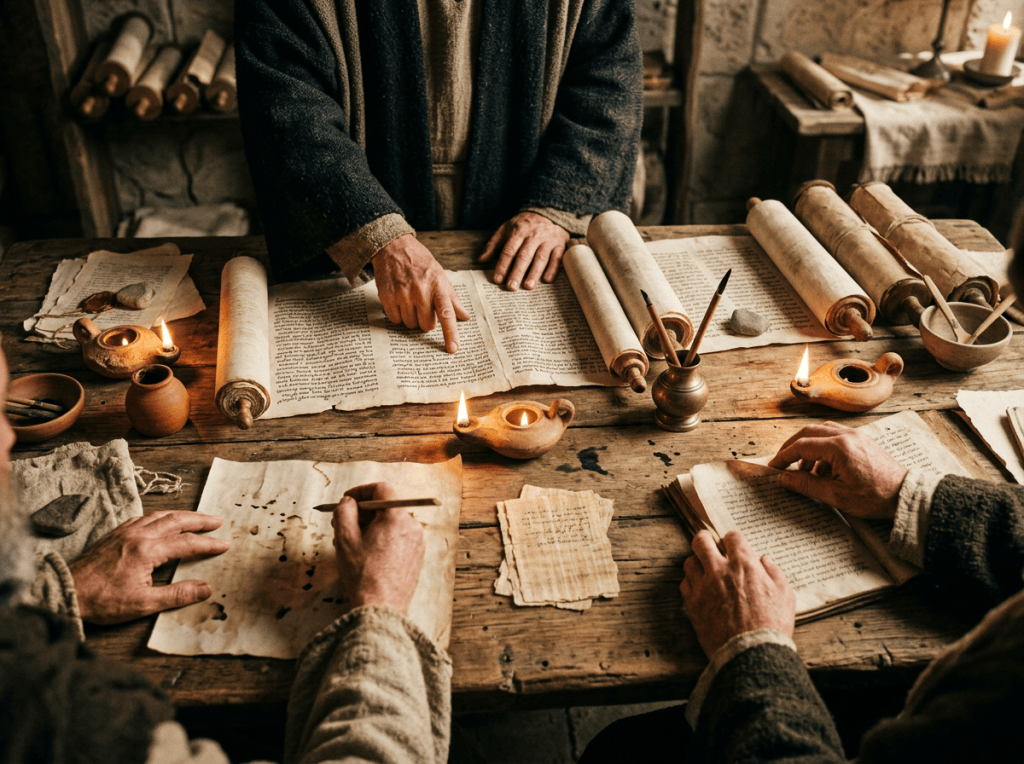
The post discusses the importance of examining different Bible translations for clarity and understanding. It emphasizes that translations can vary in approach, affecting interpretation. Drawing on Acts 17:11, it advocates for enthusiastic listening combined with careful discernment, encouraging readers to investigate discrepancies among translations to deepen their comprehension of Scripture.
9–13 minutesContinue reading →: The Bible in Your Hands Part 2: Read Wide, Anchor Deep -

Different Bible translations serve varying purposes in conveying the original meaning and context of Scripture. Some focus on preserving wording and structure (e.g., ESV, NASB), while others prioritize clarity and natural language (e.g., NIV, NLT). Understanding these differences can enhance Bible study and encourage readers to explore multiple versions.
9–13 minutesContinue reading →: The Bible in Your Hands Part 1: What Kind of Bible Are You Reading?
1 Corinthians (115) 1 Corinthians 13 (24) 1 John (39) 1 John 4 (21) 1 Kings (29) 1 Peter (38) 1 Samuel (41) 2 Corinthians (100) 2 Corinthians 5 (27) 2 Timothy (40) Acts (81) Colossians (50) Colossians 3 (20) Deuteronomy (49) Ecclesiastes (52) Ecclesiastes 3 (21) Ephesians (89) Ephesians 2 (25) Ephesians 4 (21) Ephesians 5 (22) Ephesians 6 (22) Exodus (73) Ezekiel (32) Faith (21) Galatians (79) Galatians 5 (30) Galatians 6 (26) Genesis (187) Genesis 1 (29) Genesis 2 (58) Genesis 3 (74) Hebrews (127) Hebrews 4 (27) Hebrews 11 (23) Hebrews 12 (25) Isaiah (138) James (110) James 1 (60) James 4 (33) Jeremiah (55) John (221) John 1 (20) John 8 (24) John 14 (33) John 15 (29) Joshua (20) Luke (169) Mark (64) Matthew (275) Matthew 5 (24) Matthew 6 (35) Matthew 7 (46) Matthew 26 (21) Numbers (25) Philippians (82) Philippians 2 (26) Philippians 4 (33) Proverbs (122) Psalm (185) Psalm 23 (25) Psalm 139 (20) Revelation (72) Romans (185) Romans 5 (33) Romans 8 (53) Romans 12 (40)