(Part 2 of 5)
⚓ Floatie: The World’s Definition of Power
Matthew 20:25–28 (25)But Jesus called them to him and said, “You know that the rulers of the Gentiles lord it over them, and their great ones exercise authority over them. (26)It shall not be so among you. But whoever would be great among you must be your servant, (27)and whoever would be first among you must be your slave, (28)even as the Son of Man came not to be served but to serve, and to give his life as a ransom for many.”(ESV)
The world understands power as control. Who writes the laws. Who sets the agenda. Who determines outcomes. Who can’t be overruled.
Political systems run on influence and enforcement. That isn’t inherently evil. Authority is necessary for order (Romans 13:1). But earthly power is always limited, contested, and temporary.
Kingdom citizenship doesn’t deny earthly authority. It refuses to absolutize it.
If your peace depends on retaining control, you’re already anxious.
✒️ Forge: The Cross Redefines Authority
Jesus corrected His disciples when they imagined authority as dominance.
“You know that the rulers of the Gentiles lord it over them… It shall not be so among you” (Matthew 20:25–26)(ESV).
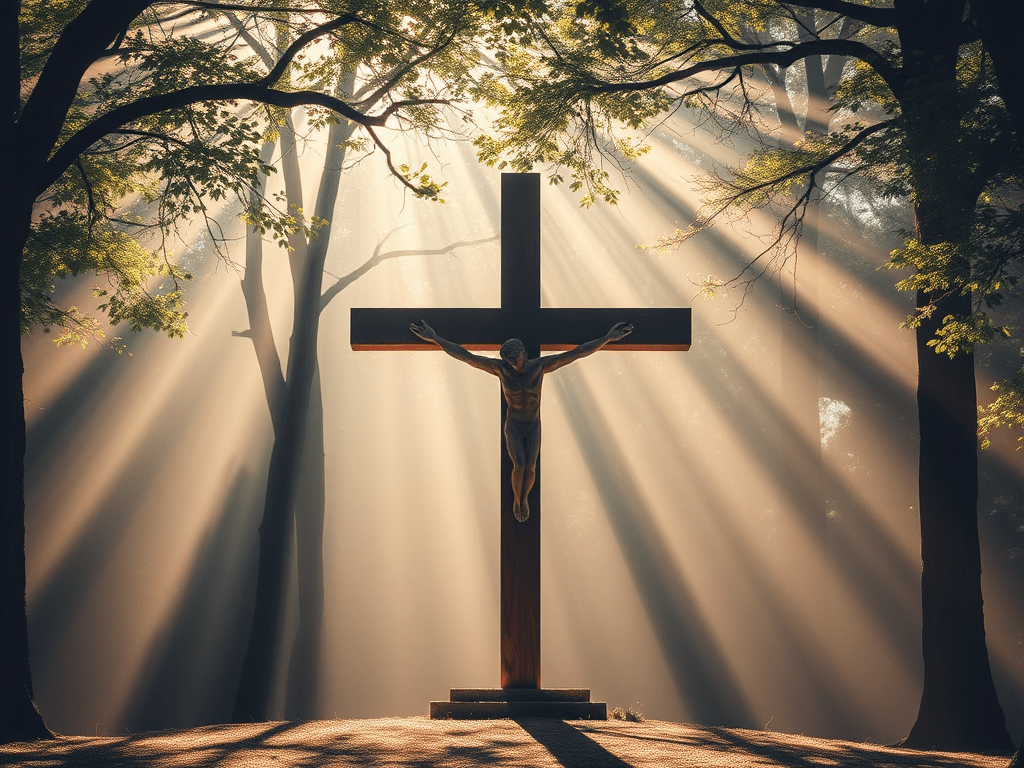
The throne of Christ was established through crucifixion, not coercion (Philippians 2:5–11).
That redefinition isn’t symbolic. It’s structural.
The kingdom advances through:
- Witness, not force.
- Obedience, not intimidation.
- Endurance, not domination.
When Peter reached for the sword, Jesus told him to put it away (Matthew 26:52). The defense of the kingdom didn’t require violent preservation.
This confronts a subtle fear inside political engagement: If we lose influence, righteousness will collapse.
But righteousness never depended on majority control. It depends on allegiance to the King.
⚒️ Anvil: Fear Masquerading as Conviction
Much political urgency is powered by fear. “Everything is at stake.” “If this fails, the nation is finished.” “This is the last chance.”
Urgency isn’t always wrong. But panic isn’t faith. Psalm 20:7 reminds us where trust ultimately rests. If every election feels apocalyptic, something deeper than civic concern is driving the emotion.
Ask yourself:
- Do I believe God’s purposes are fragile?
- Do I act as though Christ’s reign depends on cultural dominance?
- Does loss feel like divine defeat?
Artificial urgency trains believers to live in perpetual agitation. But agitation isn’t fruit of the Spirit. Kingdom citizens act, speak, and vote — but they don’t tremble.
🔥 Ember: When Losing Feels Like Dethroning God
Here is the uncomfortable question: When your preferred outcome fails, what collapses inside you?
Disappointment is human. Despair is revealing.
If the loss of political influence feels like the loss of moral order itself, you may have confused cultural preservation with kingdom preservation.
Christ reigned under Rome. The church grew under persecution. The gospel advanced without legislative backing. Faithfulness doesn’t require dominance. The throne of heaven has never been placed on a ballot.
🌿 Covenant Triumph: The Throne Is Not on the Ballot
Hebrews 1:3 declares Christ seated at the right hand of Majesty. That position isn’t contested by elections. Earthly authority shifts. Divine authority doesn’t.
Kingdom citizenship produces people who can:
- Engage without panic.
- Advocate without fear.
- Endure without collapse.
They know power ultimately flows downward from God, not upward from cultural approval. When fear loses its grip, urgency softens into steadiness. And steadiness is rare in a polarized world.
[⚓ Floatie] [✒️ Forge] [⚒️ Anvil] [🔥 Ember] [🌿 Covenant Triumph]
This post follows the Forge Baseline Rule—layered truth for the discerning remnant.



 Walking With Christ
Leave a comment