
⚓ Floatie: Mourning the Living
Luke 9:23 And he said to all, “If anyone would come after me, let him deny himself and take up his cross daily and follow me.”(ESV)
The death of a loved one is always traumatic. When it’s sudden and unexpected, it’s blunt force trauma—shocking, crushing, like bones snapping under the weight of grief. When death is slow and expected, it becomes a slow-acting poison. It eats away bit by bit, not asking if there will be damage, but what will be salvageable when the inevitable end comes and the dreaded cleanup begins. These two mourning processes are so different they can hardly be compared.
✒️ Forge: The Weight of Prolonged Loss
The slow death—the watching, the waiting, the gradual decay—brings a different kind of agony. It draws tears from ducts that feel bone-dry, somehow pulling moisture from the emotional desert left behind by years of burden.
What many don’t realize is that some people are dying this way internally for years, even decades, without knowing it. The spark fades. The spirit hollows. The light behind their eyes dims. Those who love them may warn, question, or plead, but the person themselves may remain unaware.
This is the quiet tragedy of depression, addiction, spiritual drift, and emotional collapse. A living death that moves in slow motion.
⚒️ Anvil: The Daily Death to Self
This slow mourning applies not only to others but also to self. Jesus calls us to deny ourselves, to take up our cross daily, and follow Him. Not once. Not occasionally. Daily.
The cross—the actual sacrifice of Christ—was once for all, unrepeatable and final. But the carrying of the cross is daily. The death to self is daily. The fight to not slip into spiritual death, to keep hope alive when despair seems easier, is daily.
Dying to self is not poetic. It is agony. It is surrender. It is a kind of mourning—a laying down of what we once were in the hope of what we are being made into.
🔥 Ember: The Cost of Refusal
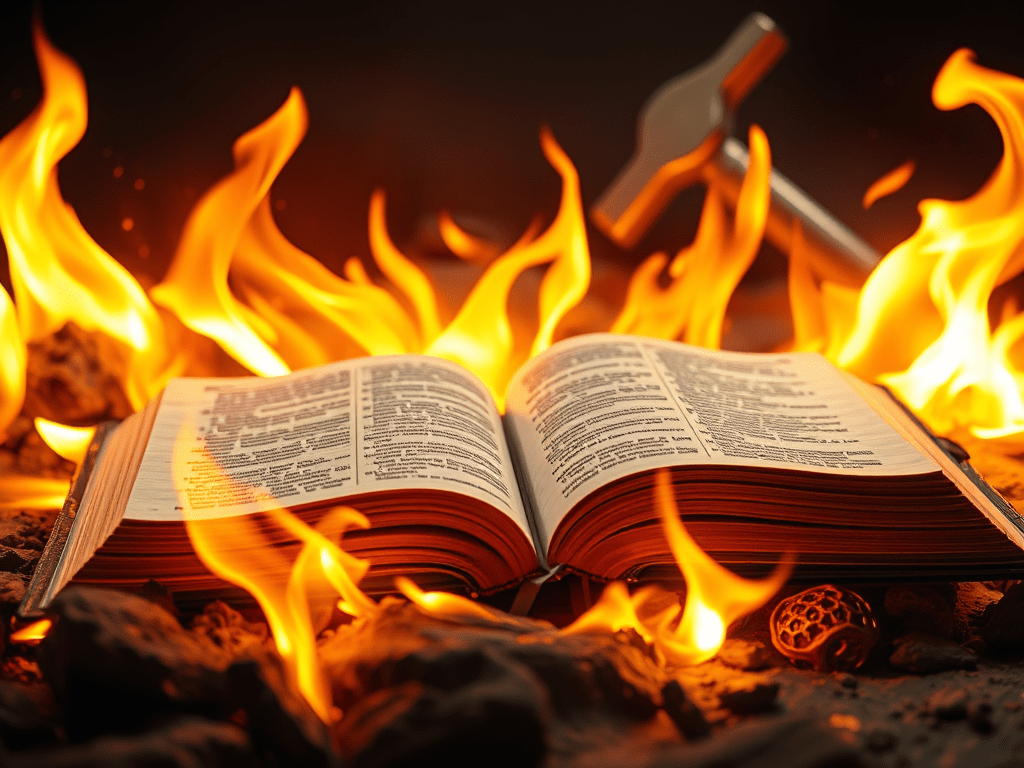
Many avoid this process. Some numb it with entertainment, others with substance, others still by burying themselves in work, religion, or distraction. But the truth remains: refusing to die daily doesn’t stop the slow decay. It only blinds the soul to the rot until it is too far gone.
The greatest tragedy isn’t the daily death. The greatest tragedy is reaching the end and realizing you never truly lived at all.
🌿 Covenant Triumph: What Will Rise from What Remains?
Here’s the hope: every death—fast or slow—sets the stage for resurrection. Jesus didn’t die so we could cling to the old. He died to make all things new. And in Him, even the slow deaths, even the self-denials, even the tear-soaked nights serve a purpose.
The question is never whether something will die. The question is: What will rise from what remains?
[⚓ Floatie] [✒️ Forge] [⚒️ Anvil] [🔥 Ember] [🌿 Covenant Triumph]
This post follows the Forge Baseline Rule—layered truth for the discerning remnant.


 Walking With Christ
Leave a comment